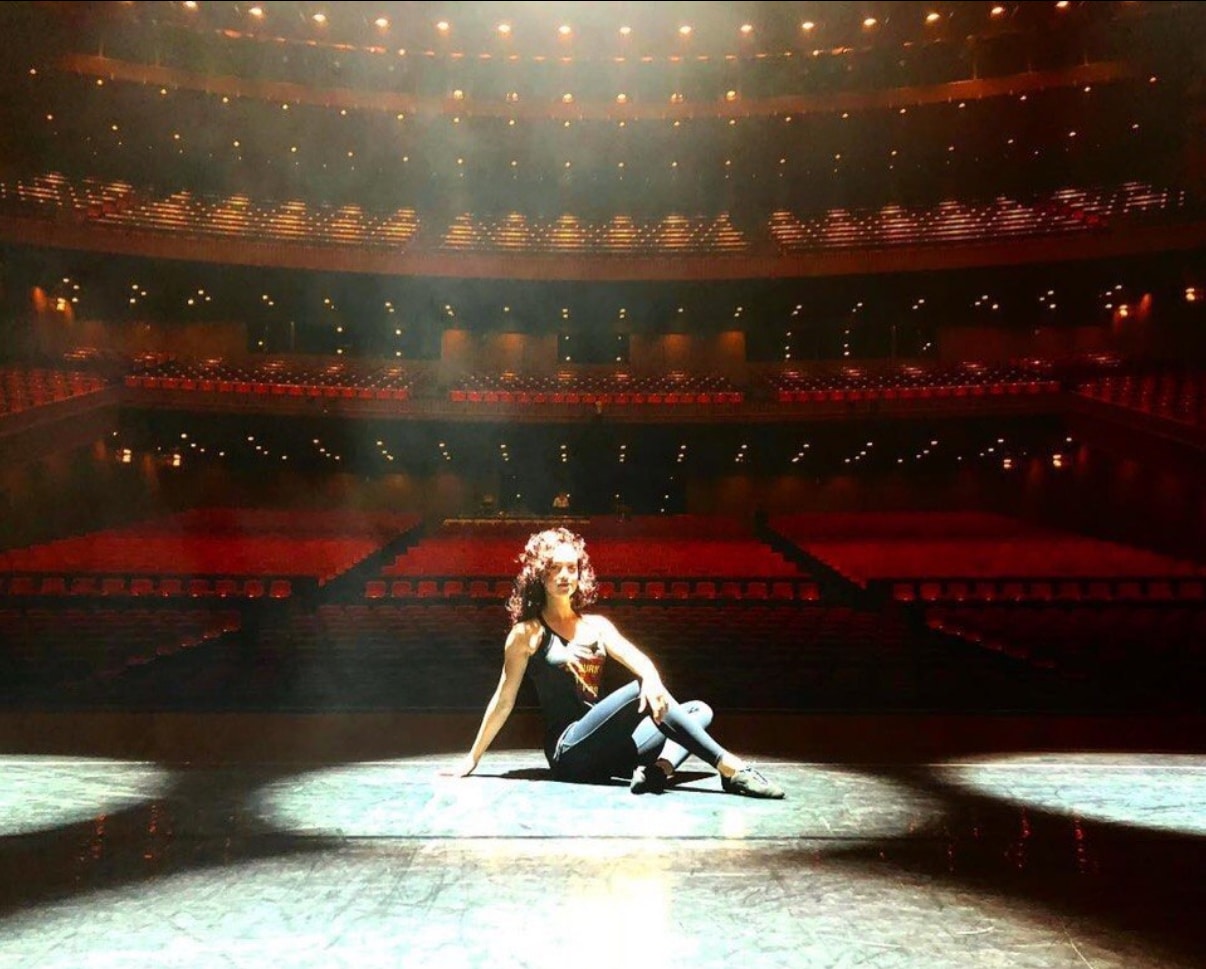
by Iaroslava Sokolova
The transition from competitive ballroom dancing to global theatrical production represents a profound paradigm shift that redefines a dancer’s psychology, spatial mechanics, and artistic identity.
While the competitive arena demands elite athletic precision under the pressure of external adjudication, the theater stage requires a broader narrative immersion. This evolution is not an abandonment of technique, but rather an expansion of it, an overlaying of volume, projection, and theatrical life onto a flawless physical foundation.
The Mindset Shift: From Judged Execution to Stage Presence
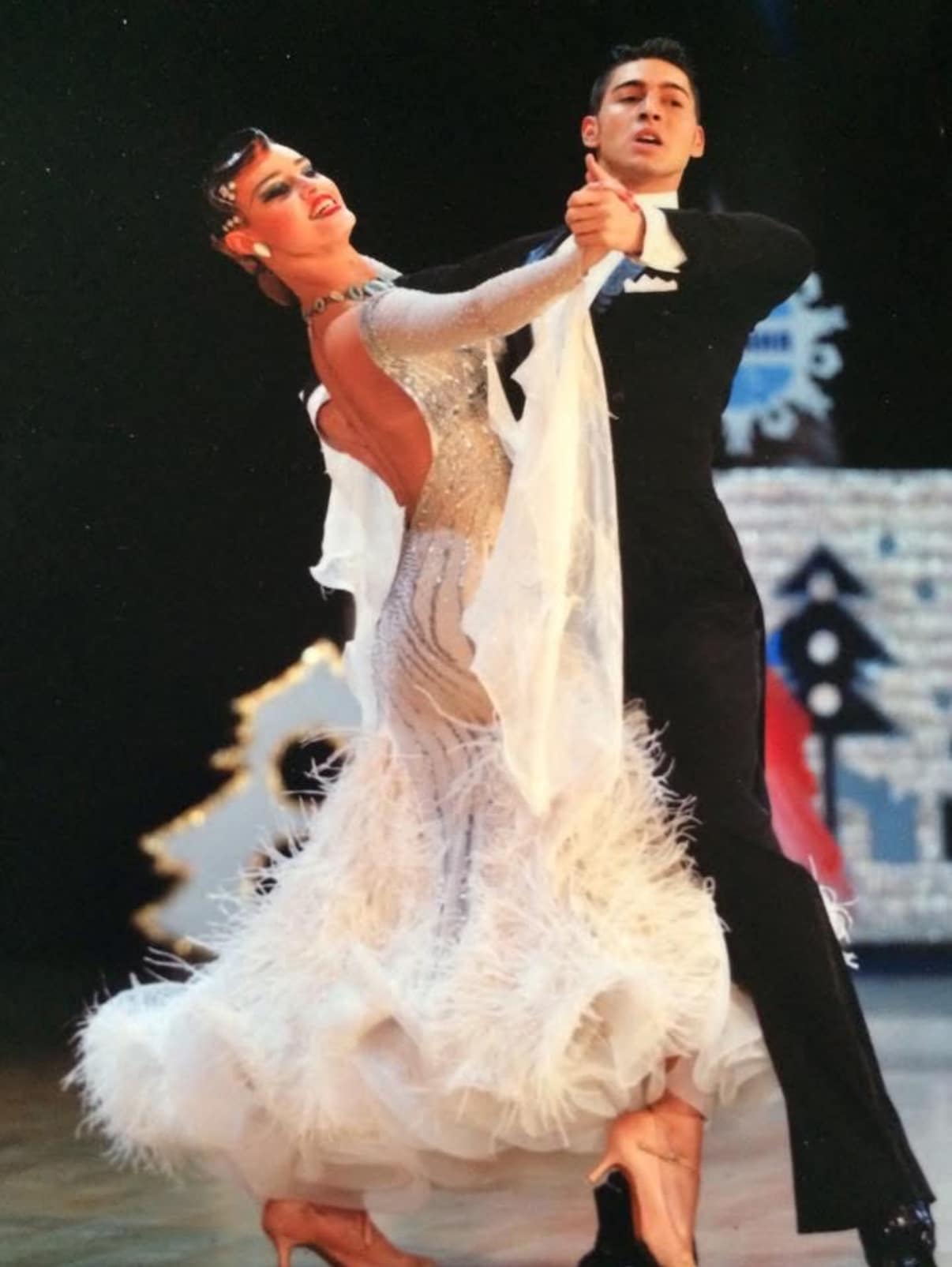
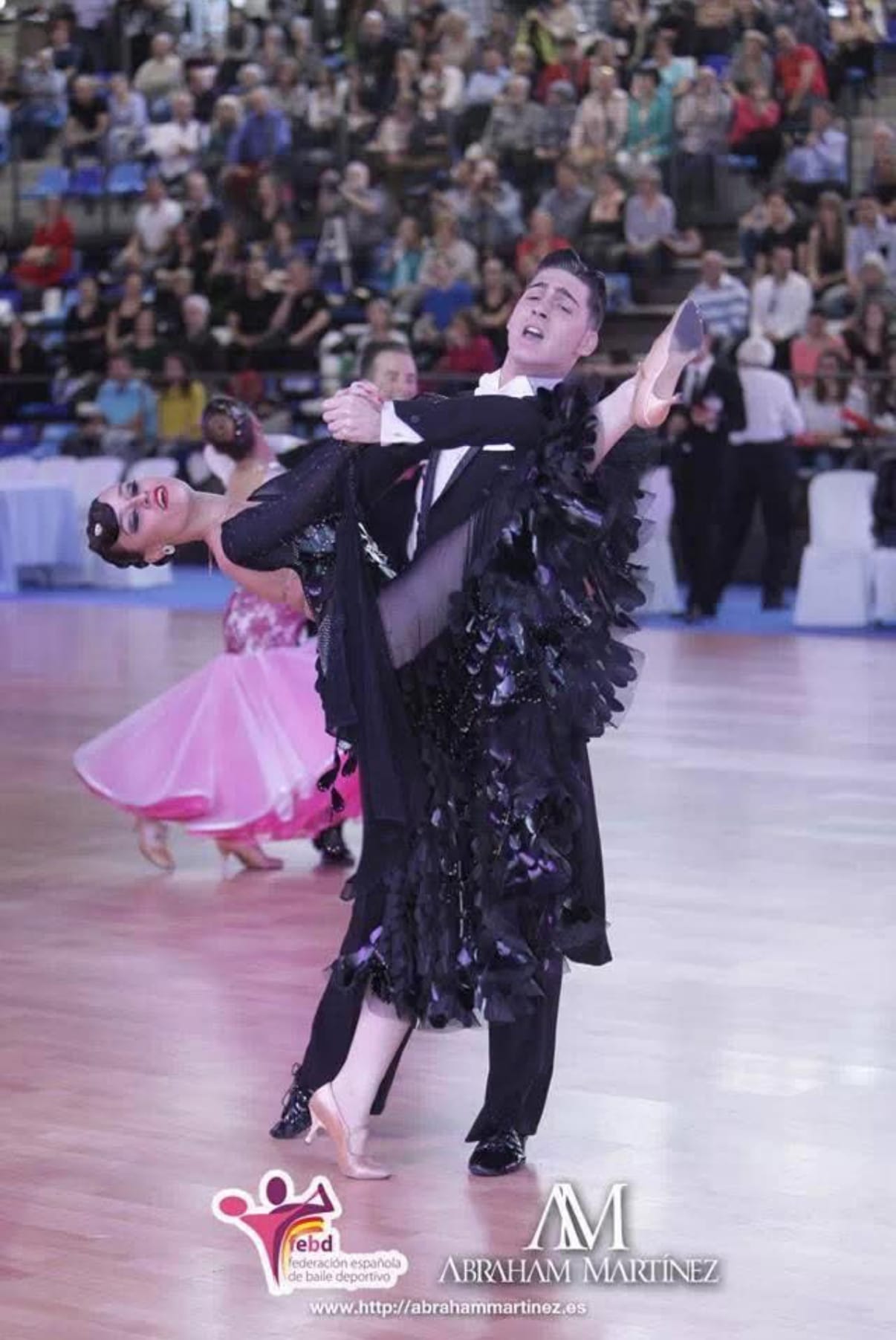
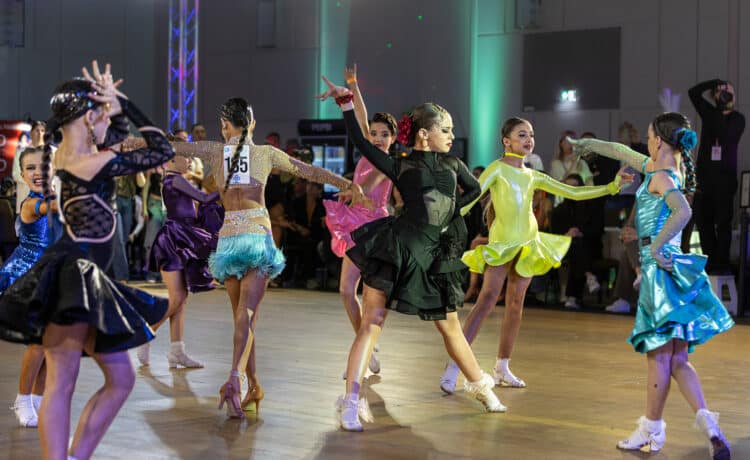
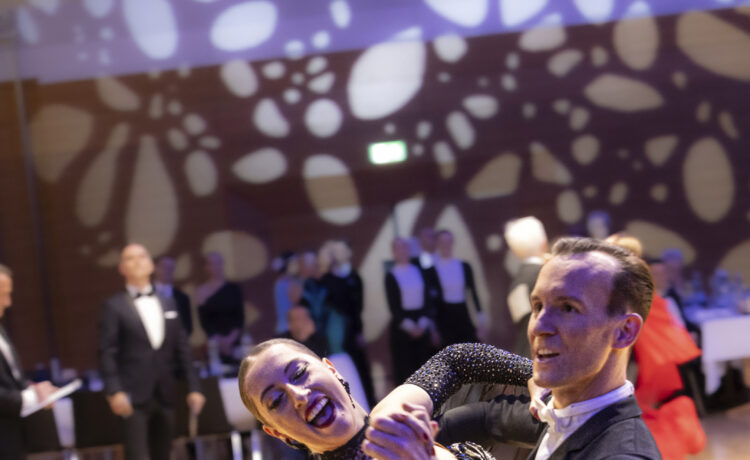
In the competitive ballroom circuit, a dancer’s psychological conditioning heavily revolves around the scorecard. The drive to achieve a podium finish creates an environment where technical precision and alignment are continuously scrutinized. Artistic expression and the joy of movement certainly exist on the competition floor, but they must always operate within the strict boundaries of rigid technical rubrics.
When a dancer transitions to a world-class theatrical production, this mindset must expand. On the theatrical stage, the audience does not hold scorecards; they seek emotional resonance. The performer must shift from an internal focus on flawlessness to an external focus on projection. The technical foundation ceases to be the end goal and instead becomes the invisible support structure for storytelling. This psychological pivot allows a dancer to stop executing steps and begin communicating emotion.
Spatial Mastery: Volume, Interaction, and the Fourth Wall
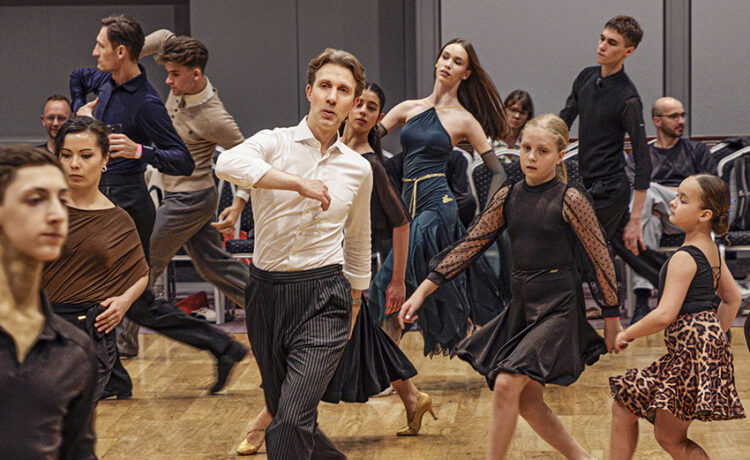
On the competitive parquet, space is a scarce commodity. Couples operate within a restricted physical „bubble,“ constantly navigating around competitors while maintaining a localized, horizontal projection.
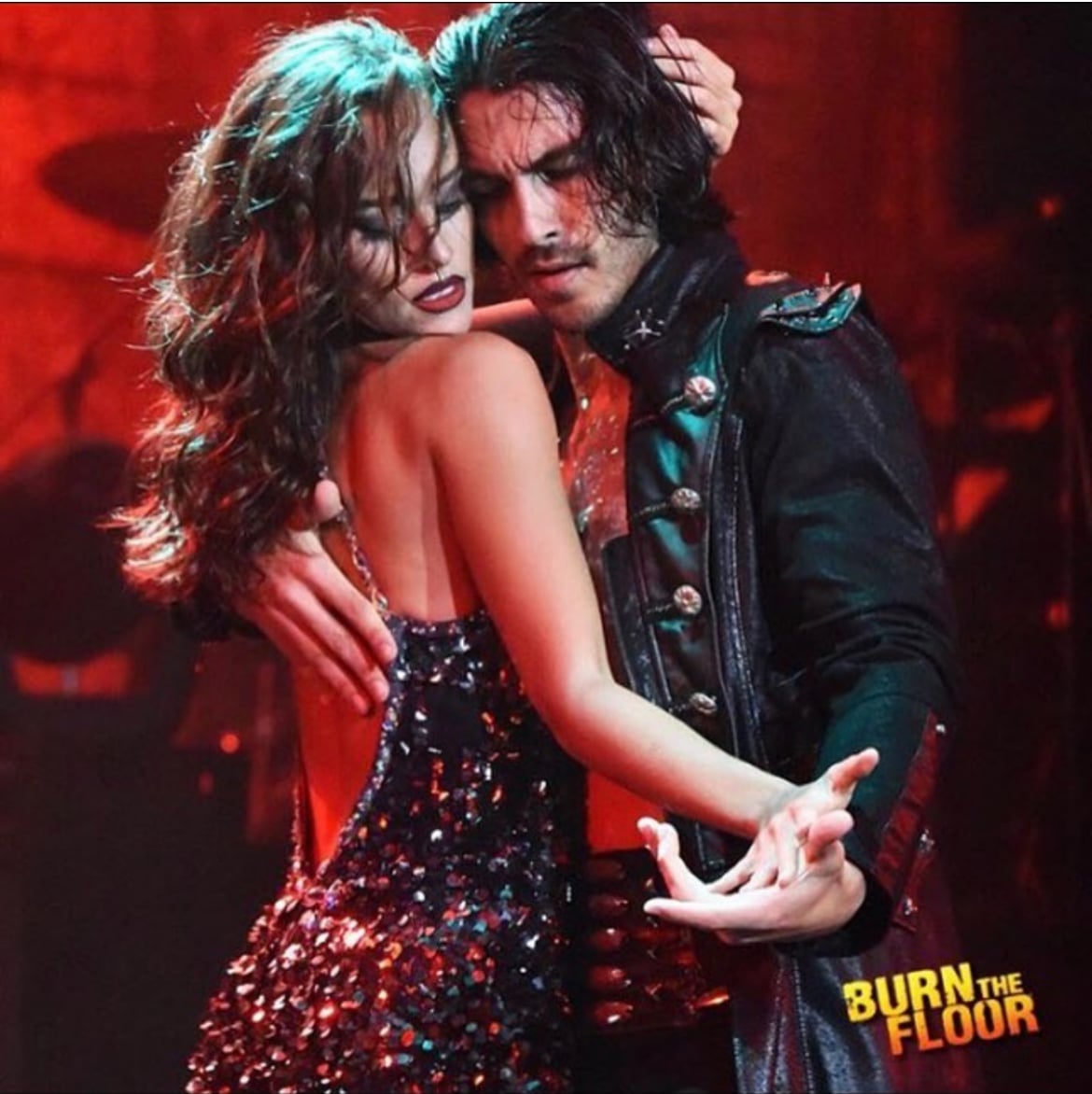
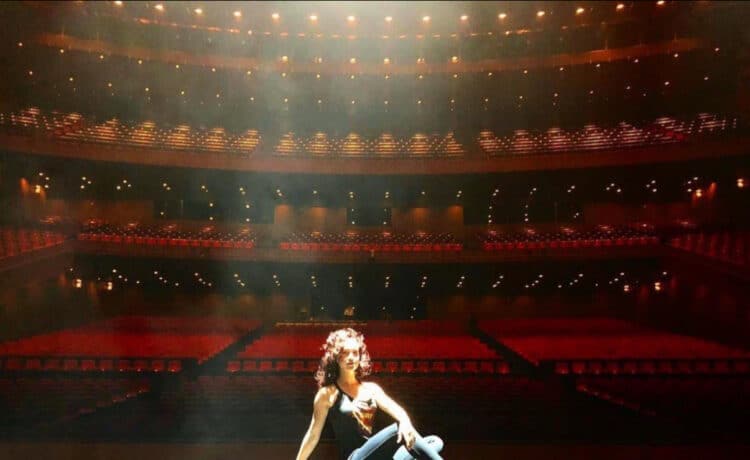
The theater stage entirely changes how a dancer plays with space. The stage belongs wholly to the cast, transforming the performance from an isolated couple’s routine into a grand communal tapestry. Dancers must learn to fill the vast volume of a theater not just with physical steps, but with pure energy. To achieve this, elite performers often utilize classical theatrical techniques, such as Michael Chekhov’s „I am a point, I am the universe“ exercise, allowing them to energetically expand their presence to the furthest corners of a multi-thousand-seat arena.
Furthermore, theater introduces complex layers of interaction. The narrative weaves between intimate duets and massive group synchronized numbers, establishing an invisible „fourth wall“ that separates the audience from the stage’s internal magic. However, theatrical mastery also involves strategically breaking this fourth wall. When a dancer deliberately shatters this barrier and projects energy directly into the auditorium, it triggers an explosive wave of shared adrenaline between the stage and the public. Throughout this expansion, technical rigor never diminishes; rather, it is elevated by the scale of the environment.
The Flow State in the Spotlight
Achieving a state of psychological „flow“, where action and awareness merge seamlessly, is possible both on the competition floor and the theater stage. However, the triggers and anxieties of each environment differ vastly. While competitive dancers face the acute, hyper-analytical stress of imminent judge evaluation during a two-minute round, theatrical performers face endurance-based anxieties. A theatrical dancer must maintain perfect synchronization in group numbers, execute high-stakes lifts and tricks, and sustain absolute focus across a grueling two-hour production.
In the theater, entering the flow state is facilitated by the immersive environment itself. The overarching narrative, the collective energy of the team, and real-time stage interactions provide a powerful psychological anchor. Combined with deliberate breath control, character immersion before entering the wings, dramatic lighting, and the immediate feedback of an enthralled audience, the dancer transcends mechanical execution. Technical form becomes entirely instinctive, giving way to the raw magic of performance.
Preserving the Truth of Dance: The CID UNESCO Framework
As dance evolves across various modern platforms, maintaining the delicate balance between technical precision and artistic soul is critical. The International Dance Council (CID UNESCO) provides the essential global framework that safeguards this balance. Rather than merely regulating the industry, CID UNESCO works to preserve the cultural heritage, authenticity, and ultimate truth of dance.
While flawless technique remains the vital vehicle for any elite performer, the institutional vision of CID UNESCO ensures that the living spirit, the intangible magic that makes dance a universal human language, is never sacrificed. By validating the dancer’s journey from the competition floor to the global theatrical stage, the framework elevates performers from mere technical experts to true cultural ambassadors on the world stage.
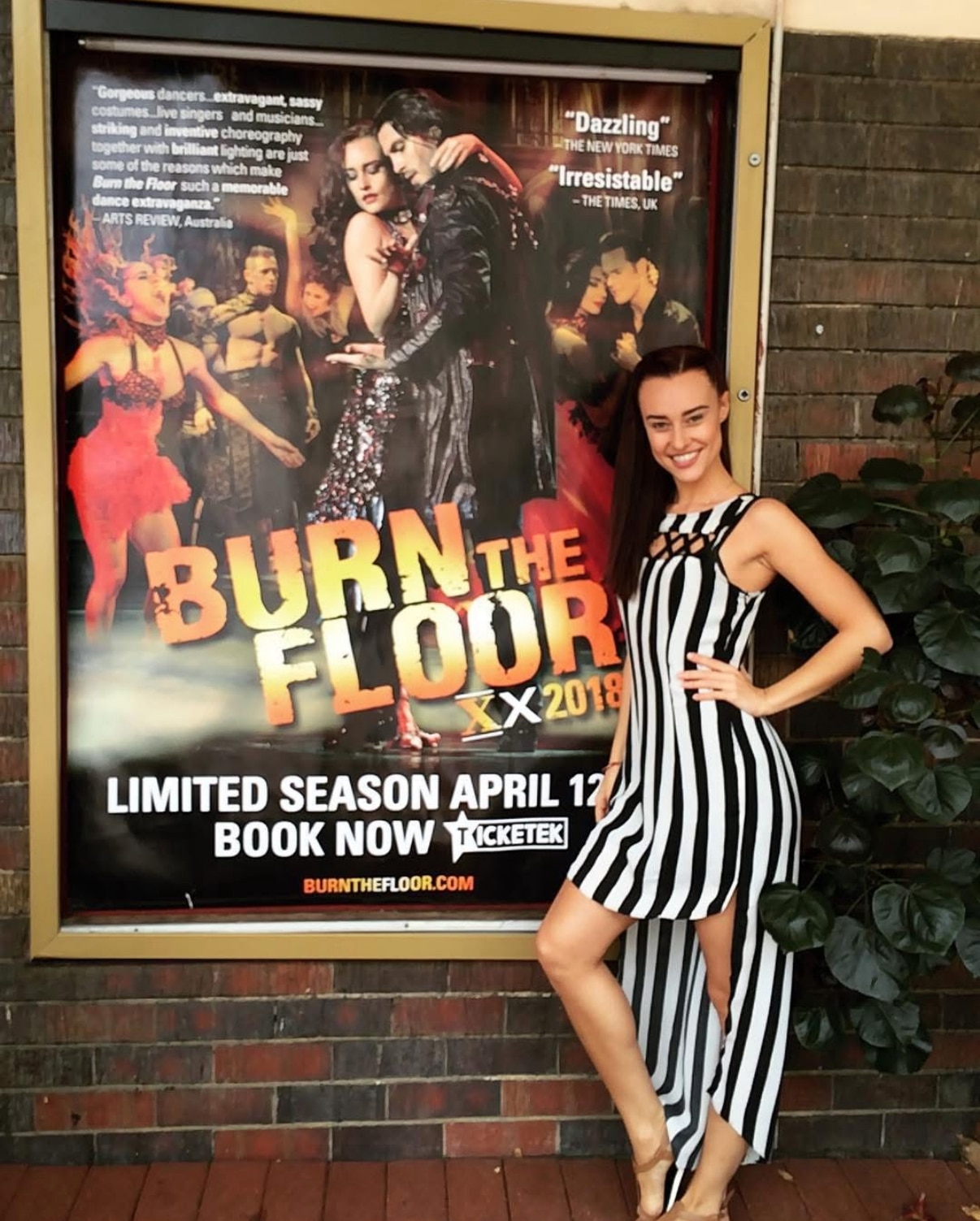
Iaroslava Sokolova is an international dance writer and a member of the International Dance Council (CID UNESCO). A former National Champion of Greece and prizewinning ballroom dancer, she spent a decade touring globally as a Company and principal dancer with Burn the Floor. Her work explores the intersection of athletic discipline and theatrical performance.
© Iaroslava Sokolova (personal collection)