(🇬🇧)
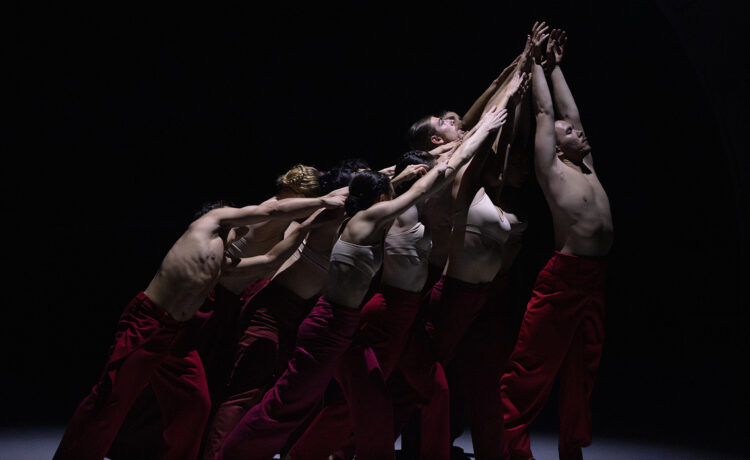
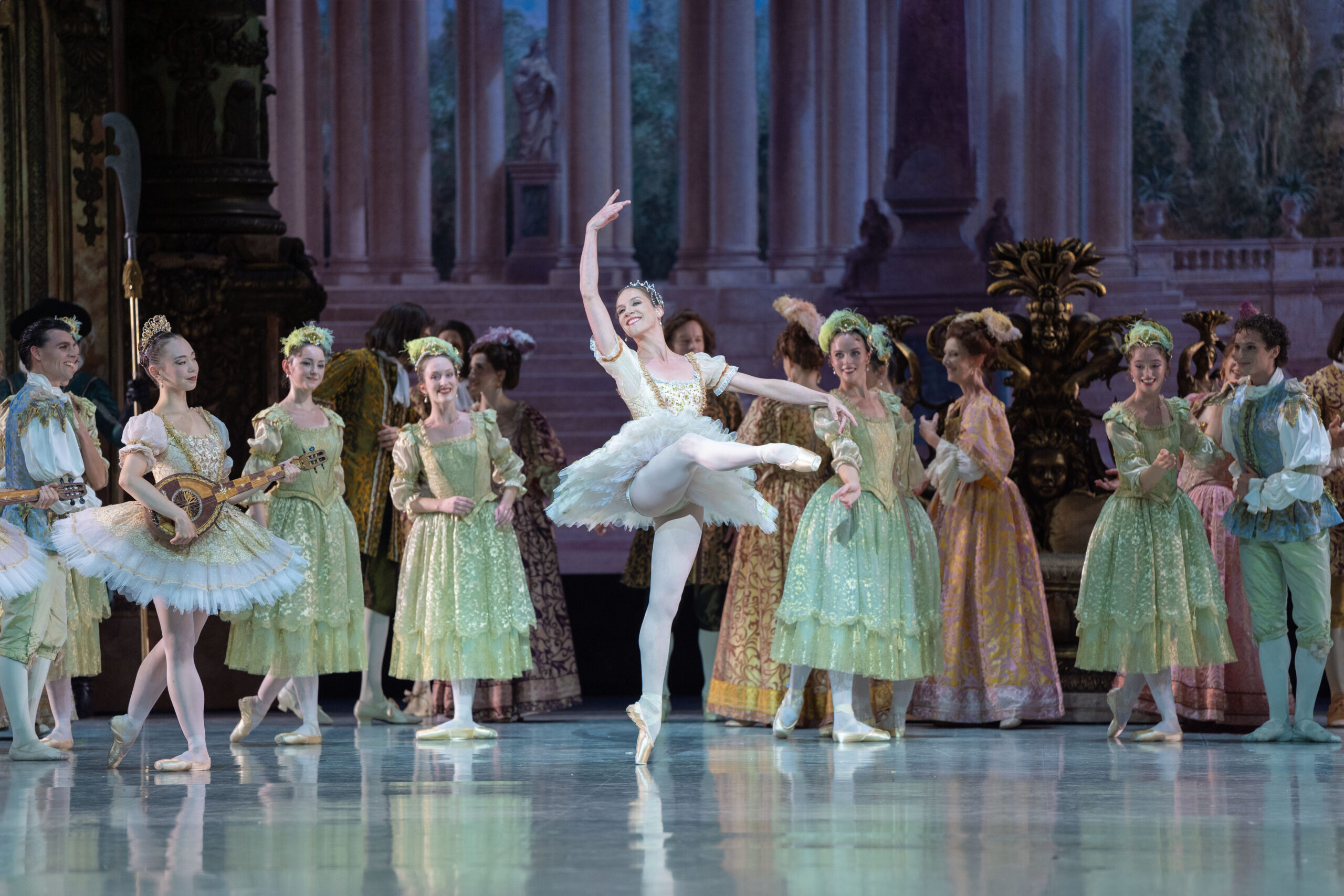
This revival of the quintessential ballet at the Paris Opera unfolds as a display of magnificence and psychological complexity, while beneath the surface lies a woven drama of hierarchy and restrained passion. And, as Aurora, Valentine Colasante reigns supreme – her performance an exquisite blend of finesse, elegance, and emotional depth, bringing fresh energy to Nureyev’s interpretation
By Alessandro BIZZOTTO
Rudolf Nureyev’s The Sleeping Beauty at the Paris Opera Ballet is no mere fairytale revival, but an exercise in theatrical grandeur and courtly ritual. Absent from the company’s stage since December 2013, this vast production – spanning a prologue and three full acts – is a display of classical opulence.
It returns as a reminder of Nureyev’s approach: honouring Petipa’s structure while enriching it with psychological realism and social nuance. King Florestan’s court is no dreamlike fantasy but a rigid hierarchy, where power weighs heavily and etiquette is enforced with chilly rigour. Even the central conflict between Carabosse and the Lilac Fairy becomes an ideological duel, with Carabosse conceived as an elegantly sinister figure who conceals her deadly needle in her coiffed bun, a subtle but chilling symbol of treachery masked by sophistication.

Weiterlesen mit Digital+
Alle Formate in einem ABO.
Bequem auf Ihrem mobilen Endgerät Ihrer Wahl.
- Alle Artikel online lesen
- Zugang zum ePaper
- Zugang zum Online-Archiv von Dance for You